
Advance Care Planning in Nursing Homes

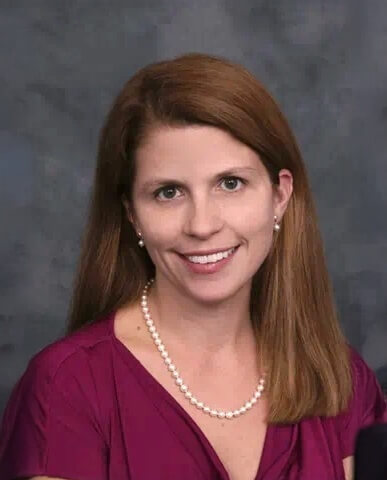

Insights from Kathleen T. Unroe, MD, Cornelius and Yvonne Pettinga Professor of Medicine, Research Scientist, Indiana University Center for Aging Research, and Susan Hickman, PhD, Geropsychologist, Director and Senior Investigator, Investigative Science Division, Kaiser Permanente Washington Health Research Institute
In post-acute and long-term care settings, few responsibilities carry as much weight or as much humanity as ensuring residents’ care reflects what matters most to them. Advance Care Planning (ACP) is not simply a regulatory requirement or a form to complete at admission. It is an ongoing, relationship-centered process that prepares residents, families, and care teams to navigate complex decisions with clarity, alignment, and compassion.
As resident acuity increases and chronic, progressive conditions become more prevalent, ACP has emerged as a cornerstone of quality, person-directed care. Organizations that treat ACP as a living process are better positioned to reduce conflict, improve outcomes, and support staff during moments of clinical and emotional complexity.

What Advance Care Planning Really Is
Advance Care Planning is a process, not a single conversation or document. It involves a series of intentional discussions that help residents articulate their goals of care and understand how those goals connect to treatment preferences over time.
Too often, ACP is misunderstood as a checkbox tied to compliance. In reality, effective ACP creates shared understanding among residents, families, and care teams long before a crisis occurs. When ACP is done well, decisions made during moments of change or decline reflect the resident’s values rather than urgency or uncertainty.
Why ACP Matters for Residents, Families, and Care Teams
All residents benefit from ACP, but its value becomes especially evident as individuals experience advancing illness, functional decline, dementia, or repeated hospitalizations. As conditions progress, the balance between the benefits and burdens of aggressive interventions often shifts. Without prior conversations, families may be forced to make high-stakes decisions during moments of crisis, leading to confusion, conflict, or outcomes that do not align with the resident’s wishes.
For care teams, ACP provides clarity and direction. When goals of care are clearly documented and understood, staff are better equipped to respond consistently, reduce unnecessary transfers, and support comfort-focused care when appropriate. This alignment protects residents, families, and organizations alike.
Documentation as a Tool, Not the Goal
While documentation is essential, it is only meaningful when grounded in thoughtful conversations. ACP documentation generally includes advance directives, identification of a healthcare representative, and portable medical orders (such as POLST or equivalent forms, depending on the state). These tools ensure preferences can be honored across care settings, including during transport or hospitalization.
However, documentation without dialogue risks becoming outdated, misunderstood, or misapplied. Leaders must ensure systems are in place to revisit ACP discussions as conditions change and to communicate preferences clearly across disciplines and transitions of care.
Education: Building Confidence and Consistency
One of the most significant barriers to effective ACP is staff discomfort. Conversations about future care, decline, or end-of-life preferences can feel daunting without proper training. Structured education helps staff understand how to facilitate discussions with empathy, document accurately, and connect goals of care to treatment decisions, particularly for residents living with dementia.
Education also reinforces that ACP is not about limiting care; it is about aligning care with what the resident values most.
Leadership’s Role in Advancing ACP
Leadership sets the tone for how ACP is viewed and practiced. When ACP is embedded into admission processes, care planning, and interdisciplinary communication, it becomes part of the organization’s culture rather than a reactive task. Leaders who prioritize ACP help normalize conversations about goals of care, reduce stigma or discomfort, and empower staff to engage residents and families with confidence.
It is important to note that ACP is not the responsibility of a single role. While social services and nursing often lead conversations, successful programs rely on interdisciplinary collaboration and consistent leadership support. Consider the following:
- Advance Care Planning should be treated as an ongoing process, not a one-time admission requirement.
- ACP is most effective when integrated into routine care planning and change-of-condition discussions.
- Clear documentation must be paired with meaningful conversation and regular review.
- Staff require education and support to engage confidently and consistently in ACP discussions.
- Leadership engagement is essential to normalize ACP and sustain practice.
- Aligning care with resident goals reduces conflict, unnecessary interventions, and avoidable transfers.
ACP as a Living Practice
Advance Care Planning is ultimately about honoring voice, dignity, and choice. When leaders commit to ACP as a living practice, supported by education, systems, and culture, they create environments where residents feel heard, families feel supported, and staff feel guided rather than conflicted.
In an era of increasing complexity, ACP is essential leadership.
Pathway Health Resources
- Resources Library
- Advance Care Planning (ACP) Lead Training Program
- Advance Directives QuickPATH RoP
- Advanced Care Planning and the INTERACT Tools
- Consulting Services

Tune In! New PATHTalks Episode
In our latest PATHTalks episode, Pathway Health’s COO Lisa Thomson connects with Dr. Kathleen Unroe and Dr. Susan Hickman to discuss Advance Care Planning, the commitment to listening, clarity, and alignment that should take place from teams, and how leaders can strengthen ACP practices and support person-centered care in nursing homes. Tune in:
For deeper insights into the health care continuum and more, explore our other PATHTalks episodes today.


