Team-Based Initiatives for Staffing Success

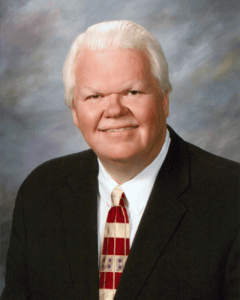
Insights from Clint Maun, President and Senior Partner of Maun-Lemke Consulting
Workforce challenges continue to be one of the most complex and persistent issues facing post-acute and senior care leaders. While recruitment and retention are often discussed as HR responsibilities, the reality is far more nuanced. When it comes to staffing, success is not achieved through isolated efforts or siloed departments. It requires alignment, accountability, and shared ownership across the organization.
Why Teams Drive Better Staffing Outcomes
Organizations that approach staffing as a team-based initiative can achieve dramatically better results than those relying on individual leaders or departments to “fix” the problem. When staffing efforts are siloed, split between administration, nursing leadership, HR, and scheduling, gaps, overlaps, and miscommunication are inevitable. These disconnects drain energy and stall progress.
By contrast, a cross-functional team working together toward shared staffing goals creates clarity, consistency, and momentum. Teams move faster, reduce duplication, and eliminate confusion about who is responsible for what. Perhaps most importantly, team-based initiatives generate positive energy while building trust, engagement, and sustained progress rather than burnout.

Who Should Be on the Staffing Team
Successful staffing teams are intentionally designed. In post-acute and senior living settings, the Administrator or Executive Director must serve as the primary champion, ensuring accountability and forward movement. The Director of Nursing is equally essential, given the central role nursing leadership plays in staffing, scheduling, and care delivery.
Beyond senior leadership, it is very important to include a small number of additional managers, supervisors, and, critically, non-management frontline staff. Charge nurses, unit managers, and respected direct care staff bring real-time insight into operational barriers and workforce realities. Their presence also signals transparency and inclusion, helping avoid the perception of “another closed-door management meeting.”
Most successful teams include six to seven members, balancing diverse perspectives with efficiency and focus.
Leadership and Accountability: Who Owns Staffing?
Staffing cannot be delegated solely to HR. While HR plays an important support role by providing recruitment systems, policies, and guidance, staffing challenges must be owned operationally at the local level. HR teams typically do not supervise daily operations, nor do they experience the immediate impact of staffing instability on care delivery, morale, and outcomes.
True accountability rests with site leadership. When staffing becomes an operational priority rather than an HR project, leaders are more motivated to engage teams, leverage resources, and drive real change. Staffing stability, like census growth and quality outcomes, is achieved through strong local leadership supported by interdisciplinary collaboration.
Engagement Through Flexible Participation
To broaden engagement without overwhelming staff, Maun-Lemke Consulting uses a “Super Team” model supported by short-term, task-focused subgroups. While the core team remains small and consistent, additional staff can participate in specific assignments or projects through “grab-and-go” involvement.
This flexible approach allows more team members to contribute ideas, build ownership, and develop leadership skills without the burden of standing committees that are difficult to sustain in today’s demanding environment. Over time, participants can rotate into the core team, supporting succession planning and workforce development.
A Scalable Solution: Education Anytime, Anywhere
Recognizing that not every organization can participate in live coaching or consulting, Pathway Health and Maun-Lemke Consulting partnered to create a 16-module, on-demand Team-Based Staffing Success program. Designed to be accessible anytime and anywhere, the program delivers practical strategies, structured assignments, and proven methods that organizations can implement at their own pace.
The program supports leaders who want to strengthen staffing systems, engage teams, and build consistency while still allowing access to coaching support when needed. This on-demand educational solution makes workforce education more affordable, scalable, and sustainable for organizations of all sizes. Click here to learn more >
Leadership Considerations for Staffing Success
Leaders seeking long-term staffing stability should consider the following principles:
- Staffing is an operational responsibility, not an HR-only function
- Cross-functional teams outperform siloed efforts
- Frontline staff involvement accelerates buy-in and results
- Clear leadership accountability drives sustained progress
- Flexible participation models increase engagement and reduce burnout
- Education and upskilling are essential for succession planning
When staffing initiatives are aligned with leadership priorities, supported by teams, and reinforced through education, organizations are better positioned to navigate ongoing workforce challenges.
The Path Ahead for Workforce Stability
While staffing pressures remain constant across the industry, organizations are not powerless. By embracing team-based initiatives, reinforcing leadership accountability, and investing in education, providers can build resilience and stability even in challenging environments. Success in the staffing process does not work with quick fixes; it requires building systems, empowering teams, and leading with intention.
Pathway Health Resources
- Resources Library
- Ensuring Your Staffing Success – 16-Module Team-Based Training Program
- Consulting & Workforce Strategy Support
- Interim Leadership Services

Tune In! New PATHTalks Episode
In our latest PATHTalks episode, Pathway Health’s COO Lisa Thomson connects with Clint Maun, President and Senior Partner of Maun-Lemke Consulting, to explore why team-based staffing initiatives are essential to long-term workforce stability and why leadership engagement at the local level makes all the difference.
For deeper insights into the health care continuum and more, explore our other PATHTalks episodes today.


